hospital hyperbaric chamber
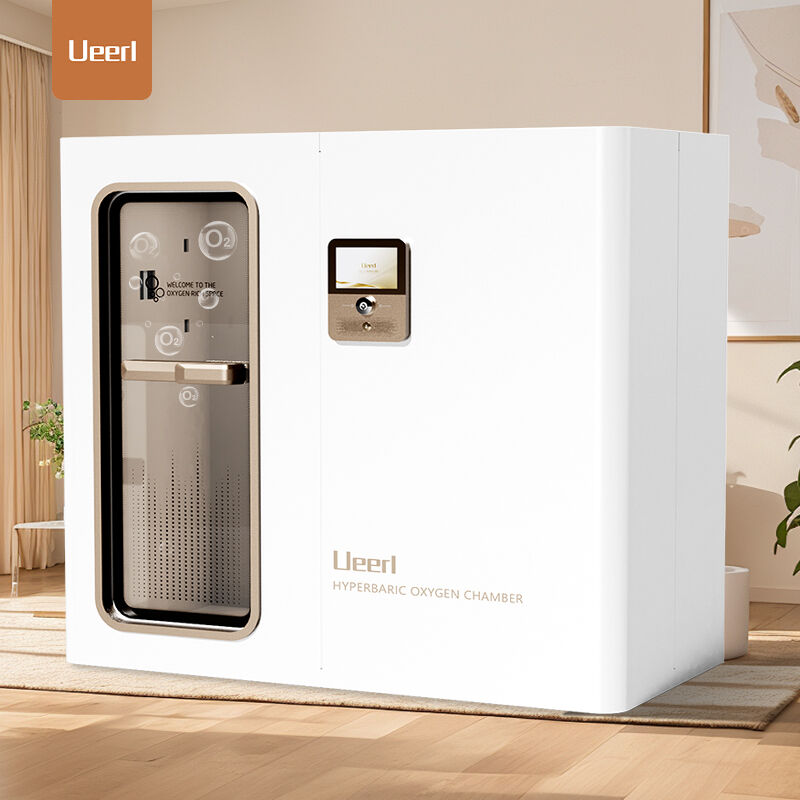
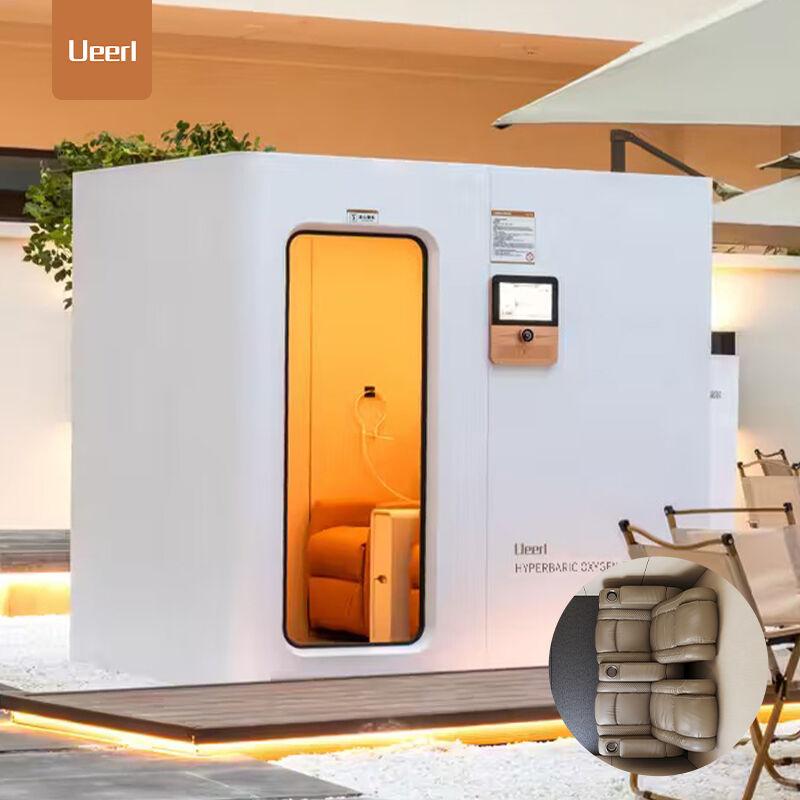
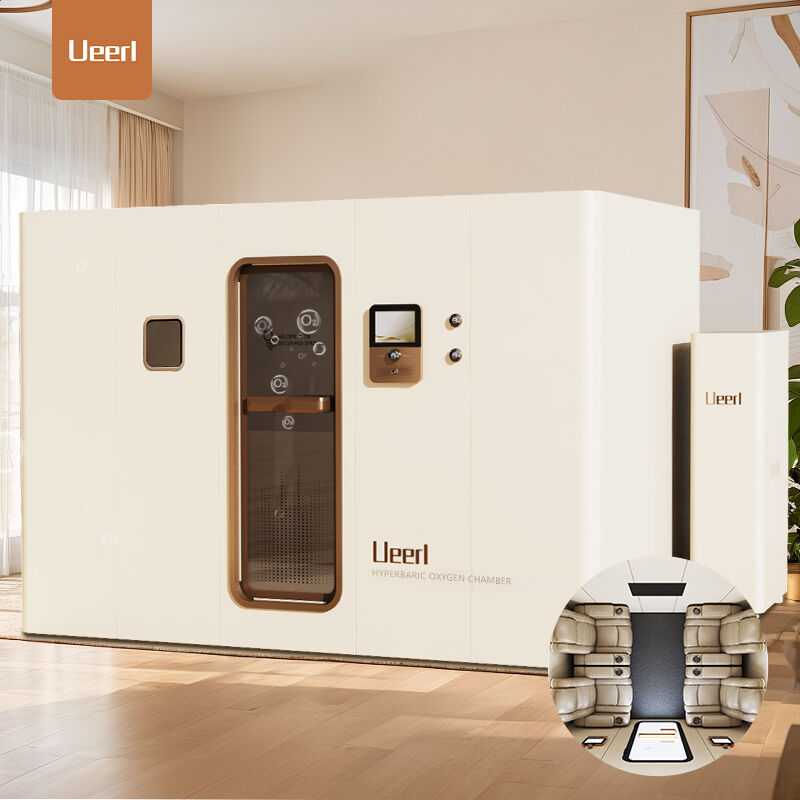
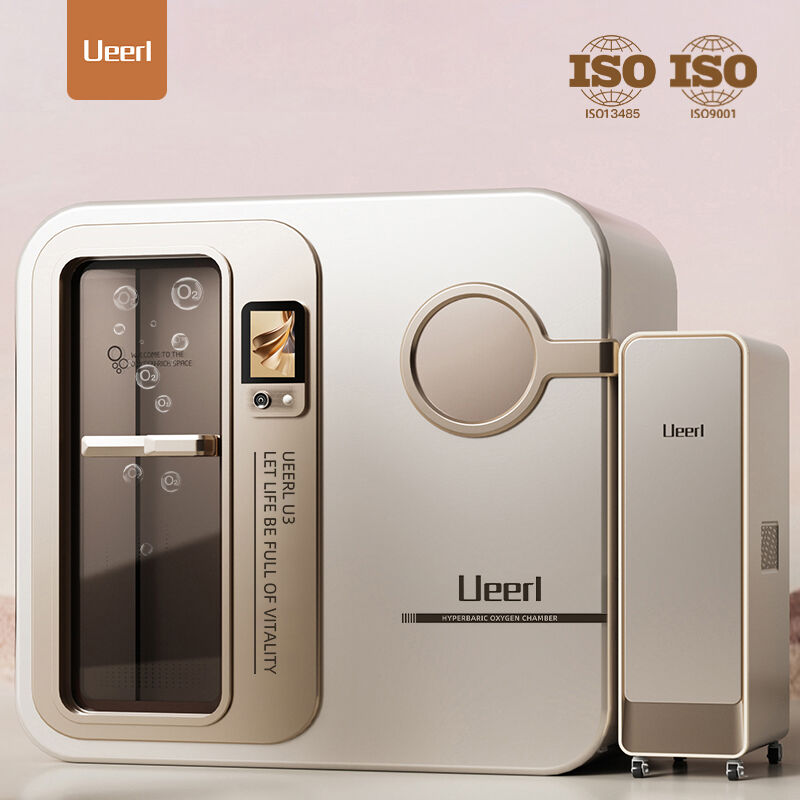
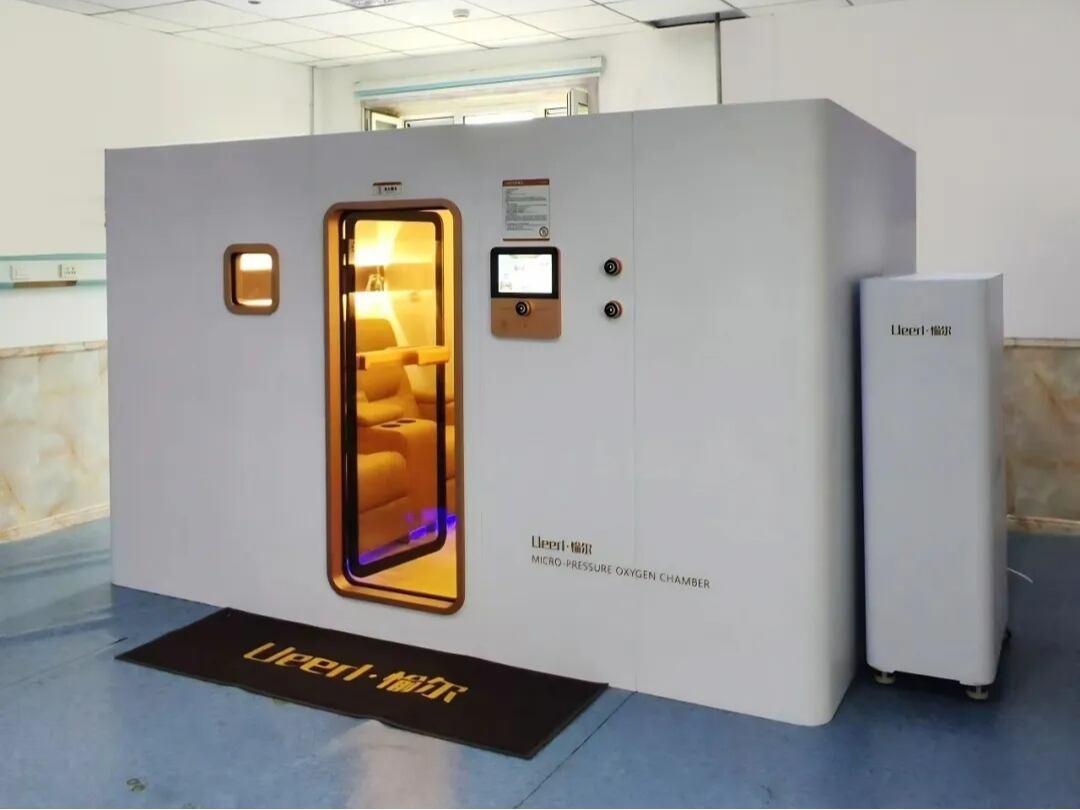
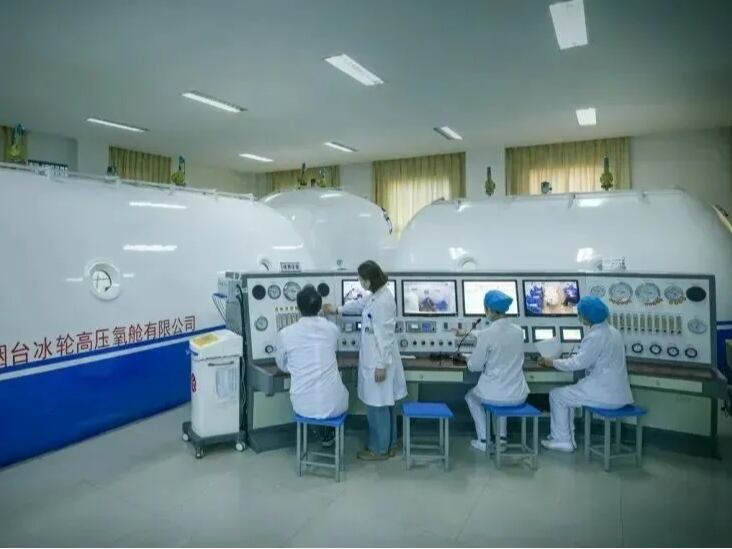
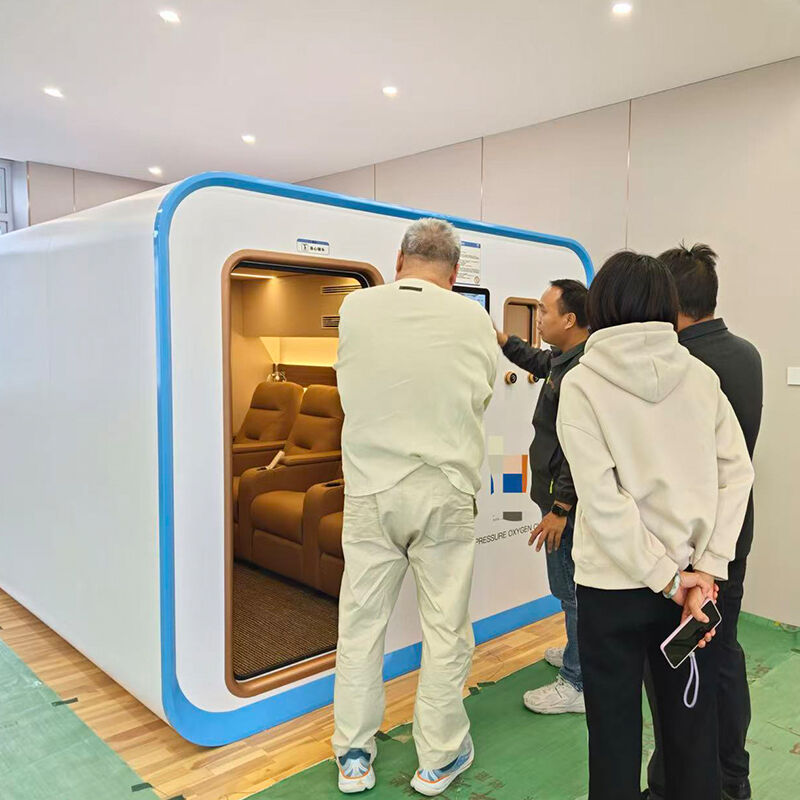
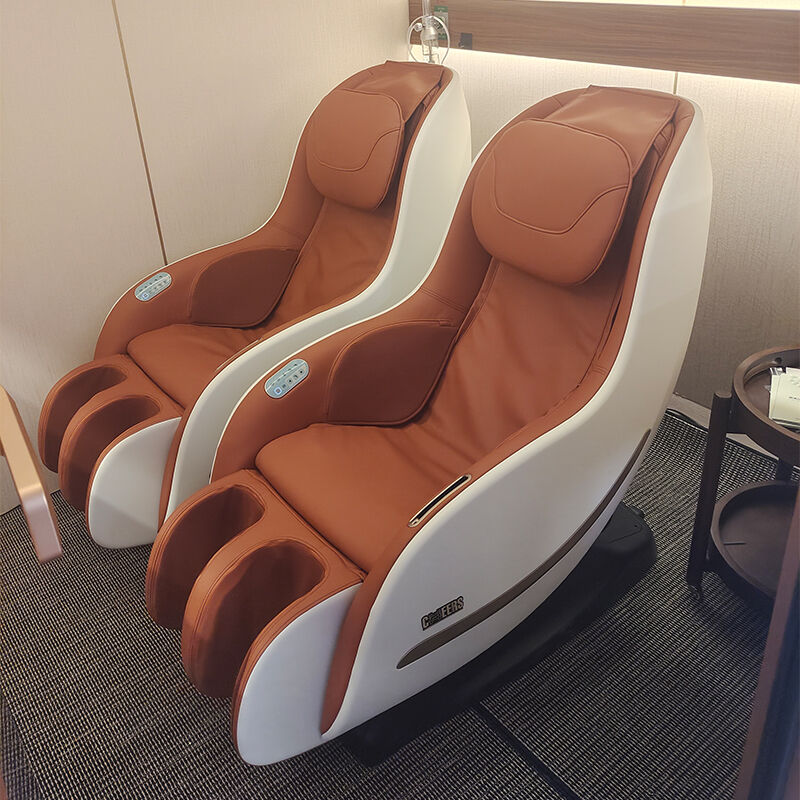
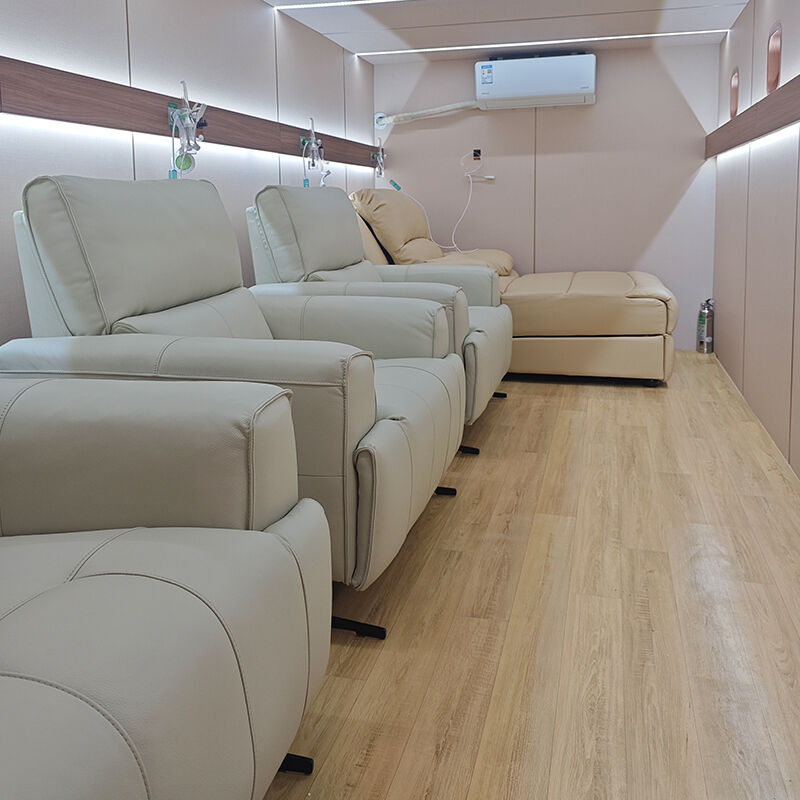
A hospital hyperbaric chamber represents a sophisticated medical device that delivers pure oxygen therapy under increased atmospheric pressure conditions. This specialized treatment environment creates pressures exceeding normal atmospheric levels, typically ranging from 1.4 to 3.0 atmospheres absolute. The hospital hyperbaric chamber functions as a sealed vessel where patients breathe 100% oxygen while experiencing elevated pressure, enhancing the body's natural healing processes. Modern hospital hyperbaric chamber systems incorporate advanced safety protocols, monitoring equipment, and environmental controls to ensure optimal patient outcomes. The therapeutic mechanism operates by dramatically increasing oxygen dissolved in blood plasma, reaching tissues that might otherwise receive inadequate oxygen supply. This enhanced oxygenation promotes cellular regeneration, reduces inflammation, and accelerates wound healing processes. Hospital hyperbaric chamber technology utilizes either monoplace or multiplace configurations, with monoplace units treating single patients and multiplace chambers accommodating multiple patients simultaneously. The pressurization process follows strict medical protocols, with gradual compression and decompression phases to prevent barotrauma. Advanced hospital hyperbaric chamber models feature integrated communication systems, entertainment options, and comprehensive monitoring capabilities. Temperature regulation, humidity control, and air filtration systems maintain comfortable therapeutic environments throughout treatment sessions. The chamber construction employs medical-grade materials resistant to oxygen-rich environments, ensuring long-term durability and safety compliance. Digital control systems enable precise pressure regulation, automated safety shutoffs, and real-time parameter monitoring. Hospital hyperbaric chamber installations require specialized infrastructure, including oxygen supply systems, electrical backup power, and emergency ventilation capabilities. Clinical applications encompass wound care, radiation injury treatment, carbon monoxide poisoning, and various conditions requiring enhanced tissue oxygenation. The treatment protocols vary depending on patient conditions, with sessions typically lasting 60 to 120 minutes at prescribed pressure levels.



 EN
EN