Comprehensive Safety and Monitoring Features
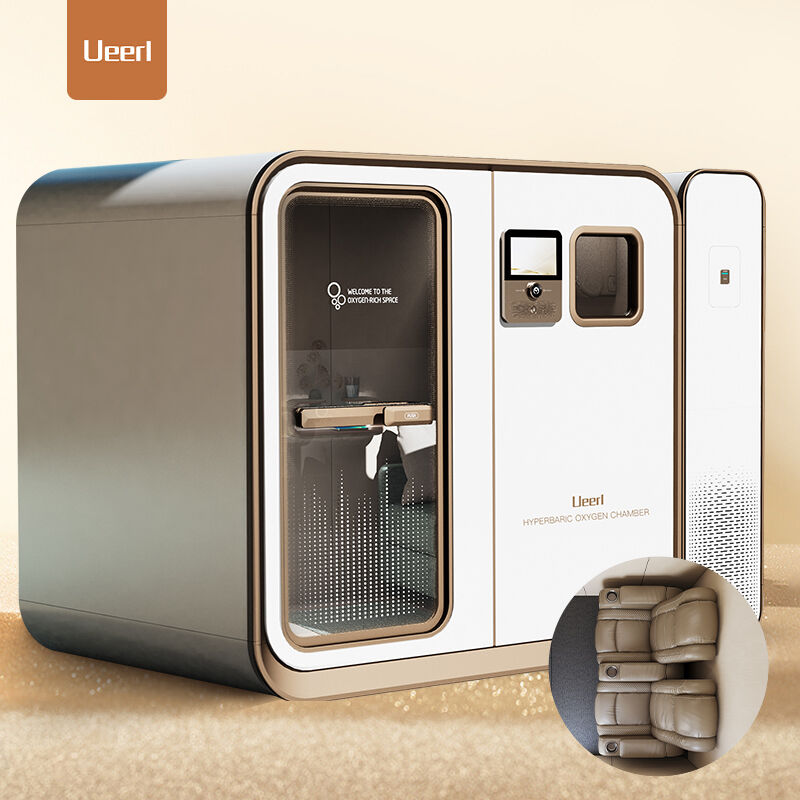
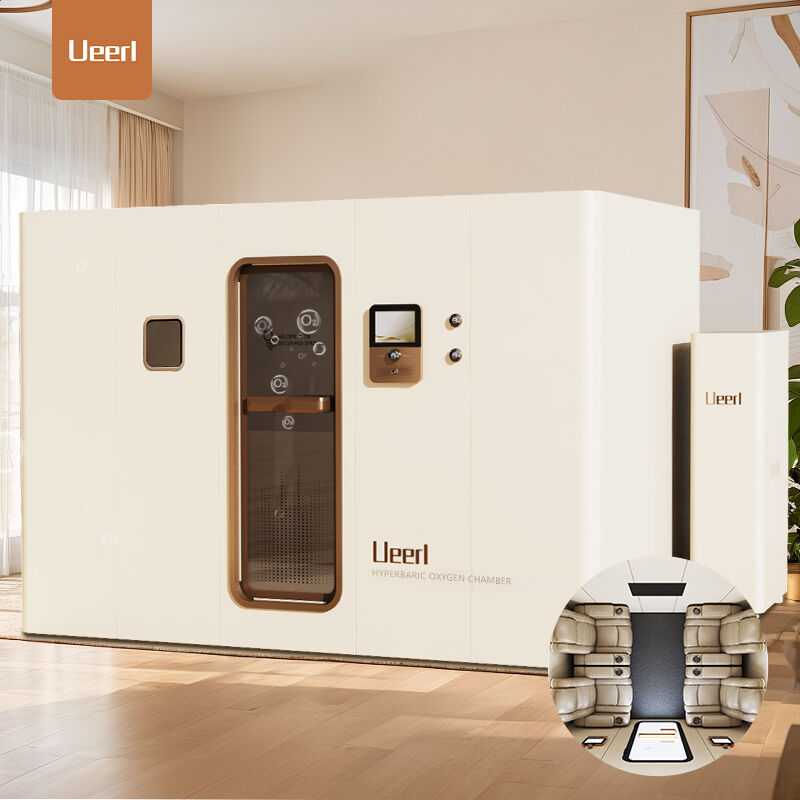
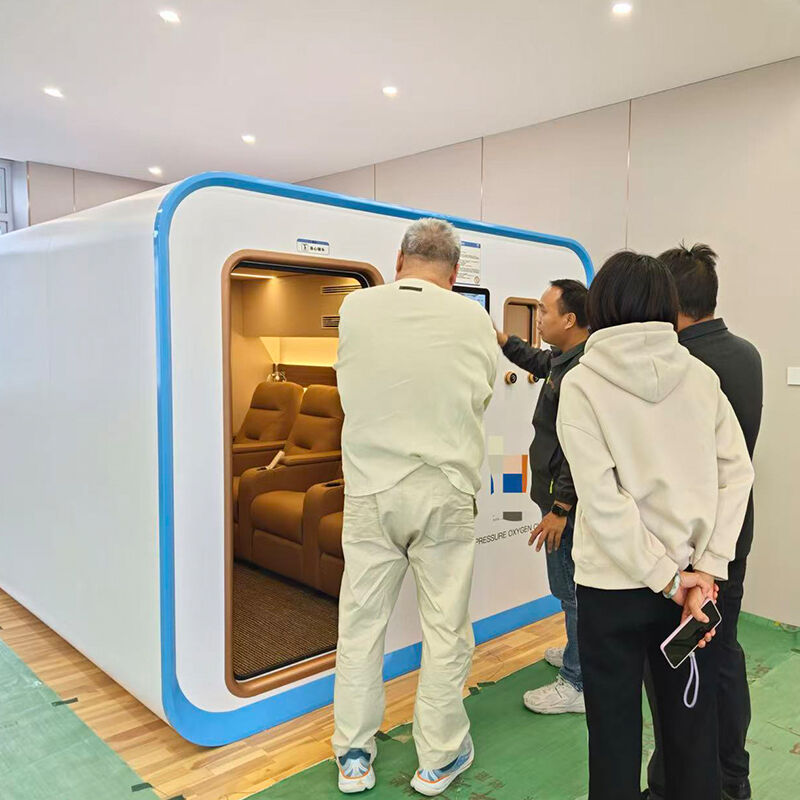
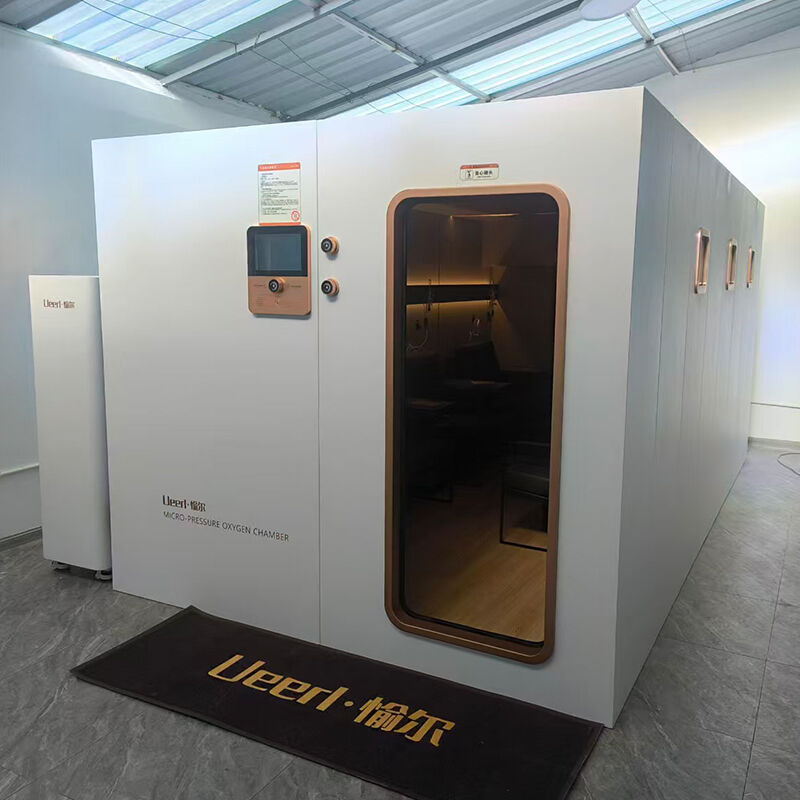
The hyperbaric chamber for incorporates comprehensive safety and monitoring features that establish industry-leading standards for patient protection and treatment oversight during hyperbaric oxygen therapy sessions. Advanced monitoring systems continuously track vital patient parameters including heart rate, blood pressure, oxygen saturation, and respiratory patterns, providing healthcare professionals with real-time insights into patient response throughout treatment protocols. Integrated communication systems enable constant dialogue between patients and medical staff, ensuring immediate assistance availability and reducing anxiety levels commonly associated with enclosed therapeutic environments. Emergency response capabilities include rapid decompression mechanisms that can safely return chamber pressure to atmospheric levels within minutes, while maintaining patient safety through controlled pressure reduction protocols. The chamber features multiple viewing ports and internal lighting systems that allow continuous visual monitoring while creating a comfortable, non-claustrophobic environment for patients requiring extended treatment sessions. Fire suppression systems utilize specialized agents compatible with high-oxygen environments, providing comprehensive fire protection without compromising patient safety or treatment efficacy. The hyperbaric chamber for includes sophisticated alarm systems that alert medical staff to any deviations from normal operating parameters, equipment malfunctions, or patient distress situations requiring immediate intervention. Backup power systems ensure continuous operation of critical safety features, monitoring equipment, and life support functions during power outages or electrical disruptions. Environmental controls maintain optimal temperature and humidity levels within the chamber, promoting patient comfort while preventing condensation buildup that could compromise equipment functionality or patient safety. Regular safety inspections and maintenance protocols ensure all protective systems remain fully operational, while comprehensive documentation procedures maintain detailed records of safety system performance and patient monitoring data. Training programs for medical staff emphasize proper safety procedures, emergency response protocols, and monitoring techniques that maximize the protective benefits of these advanced safety features while ensuring optimal patient care standards.


 EN
EN