hyperbaric oxygen machine cost
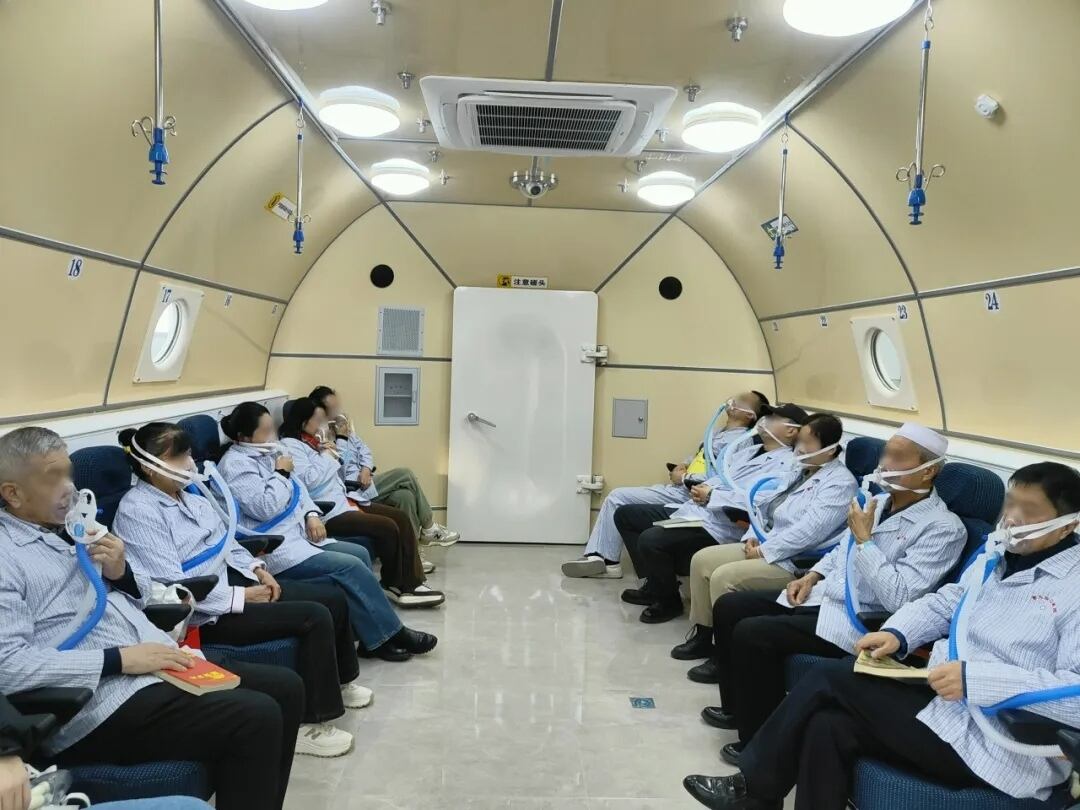
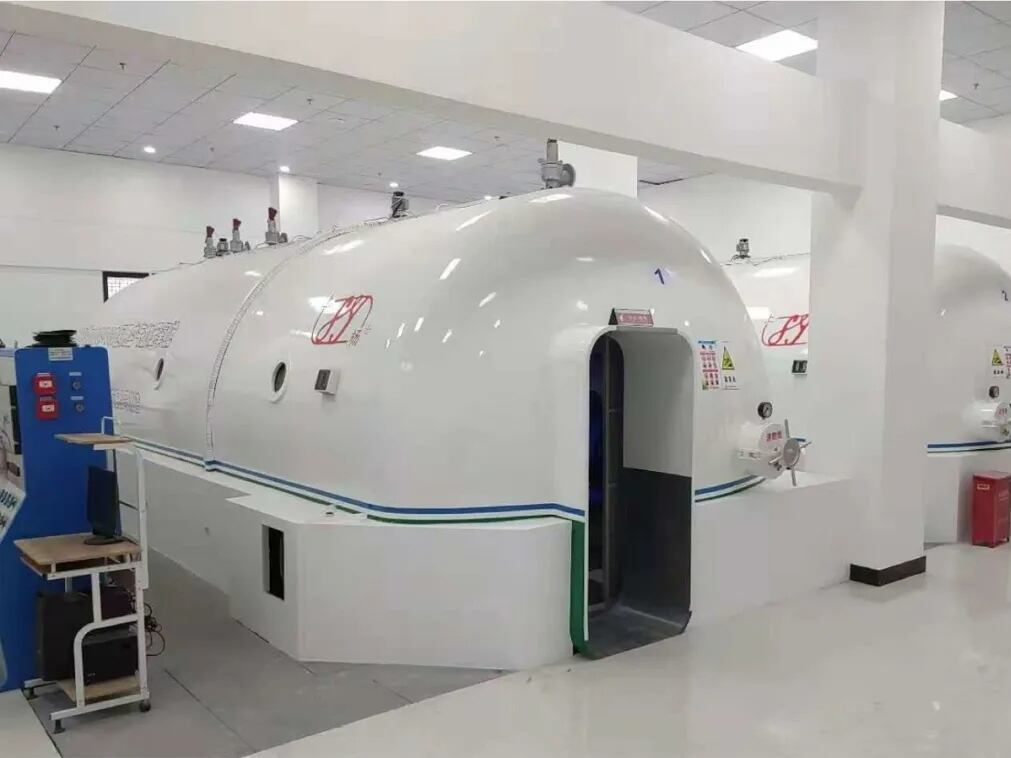
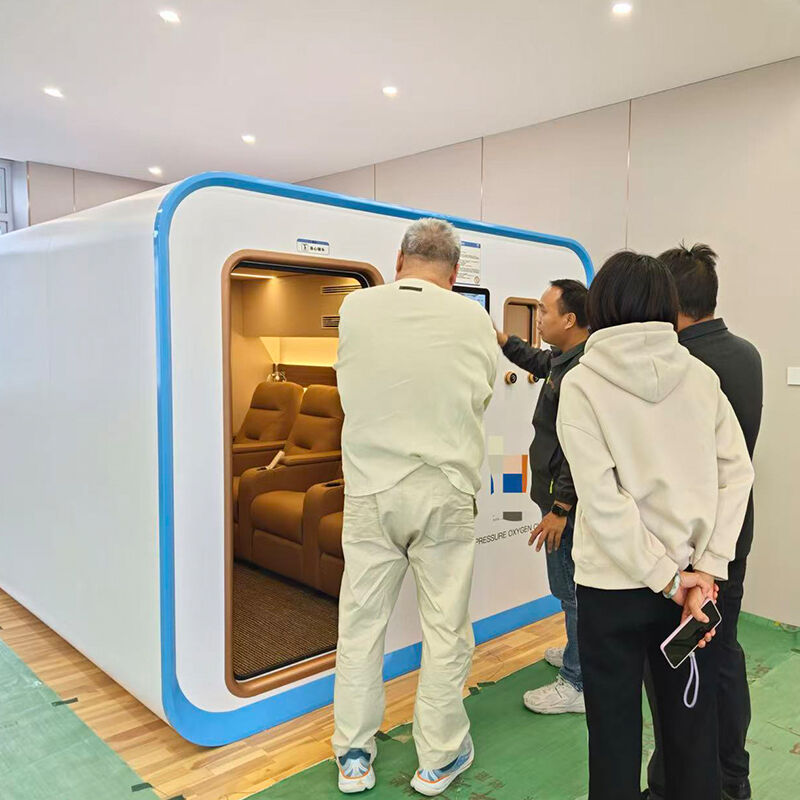
Understanding hyperbaric oxygen machine cost requires examining the comprehensive therapeutic capabilities and technological sophistication of these advanced medical devices. Hyperbaric oxygen therapy chambers deliver pure oxygen at pressures greater than atmospheric levels, typically ranging from 1.4 to 3.0 atmospheres absolute. The hyperbaric oxygen machine cost reflects the intricate engineering required to create safe, controlled pressurized environments for therapeutic treatments. These chambers function by increasing dissolved oxygen levels in blood plasma, enhancing cellular metabolism and promoting accelerated healing processes. Primary applications include wound healing acceleration, decompression sickness treatment, carbon monoxide poisoning recovery, and support for various medical conditions requiring enhanced oxygenation. The hyperbaric oxygen machine cost incorporates sophisticated pressure regulation systems, emergency safety protocols, communication systems, and environmental controls that maintain optimal therapeutic conditions. Technological features encompass digital pressure monitoring, automated safety shutoffs, fire suppression systems, and patient monitoring capabilities. Modern chambers utilize transparent acrylic construction for patient comfort and medical supervision during treatment sessions. The hyperbaric oxygen machine cost varies significantly based on chamber type, with monoplace units designed for single patients and multiplace chambers accommodating multiple individuals or medical staff presence. Treatment protocols typically involve sessions lasting sixty to ninety minutes, with patients breathing pure oxygen while chamber pressure gradually increases and decreases. Applications extend beyond traditional medical uses to include athletic performance enhancement, anti-aging therapies, and wellness treatments. The hyperbaric oxygen machine cost reflects manufacturing standards that ensure patient safety through rigorous testing and certification processes. Investment considerations include initial purchase price, installation requirements, ongoing maintenance expenses, and operational costs including electricity and oxygen supply systems.

 EN
EN