Versatile Medical Applications and Treatment Protocols
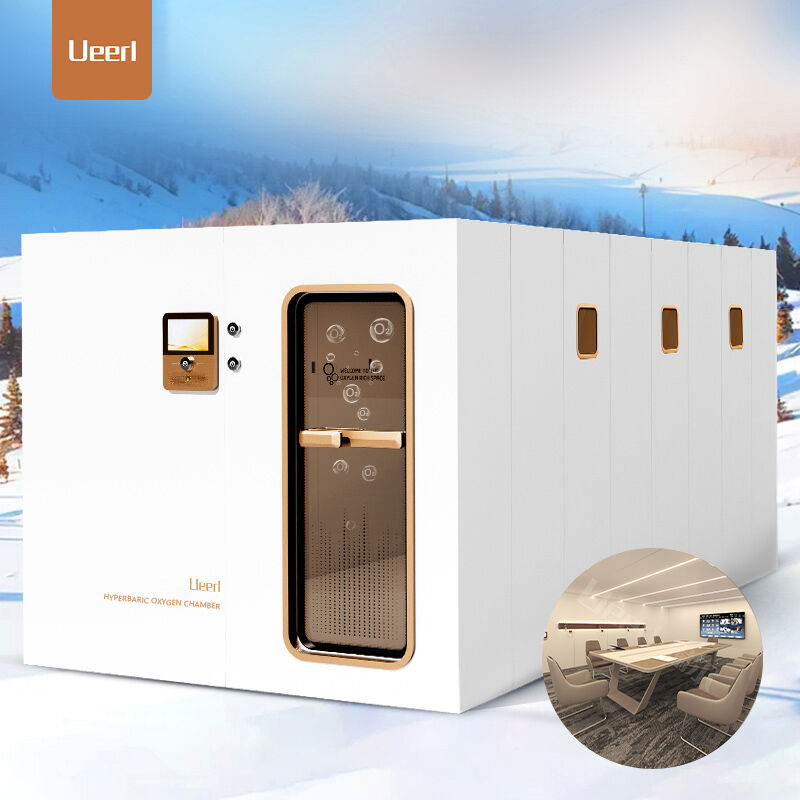
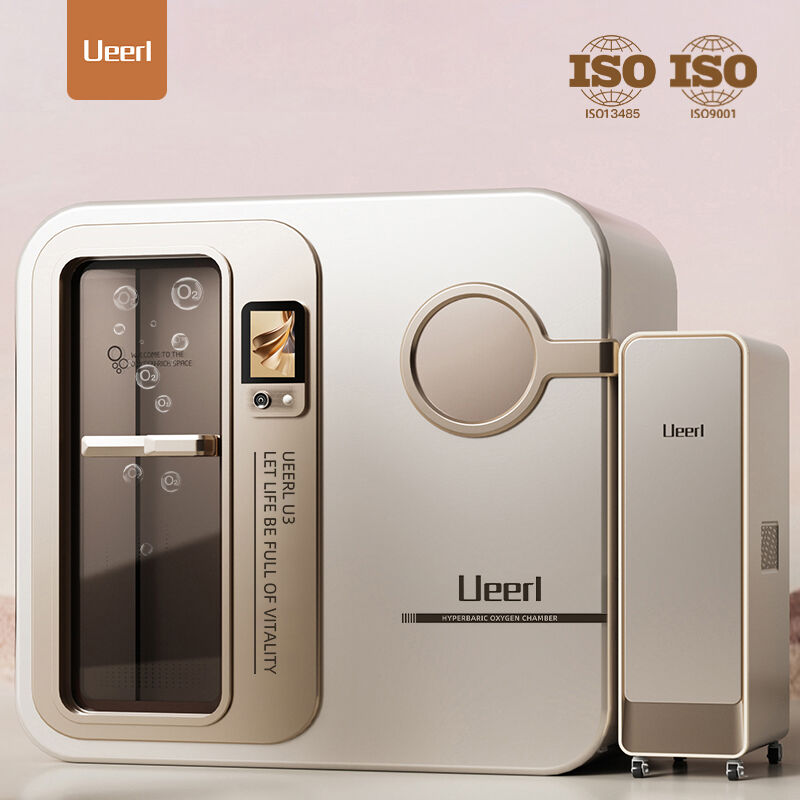
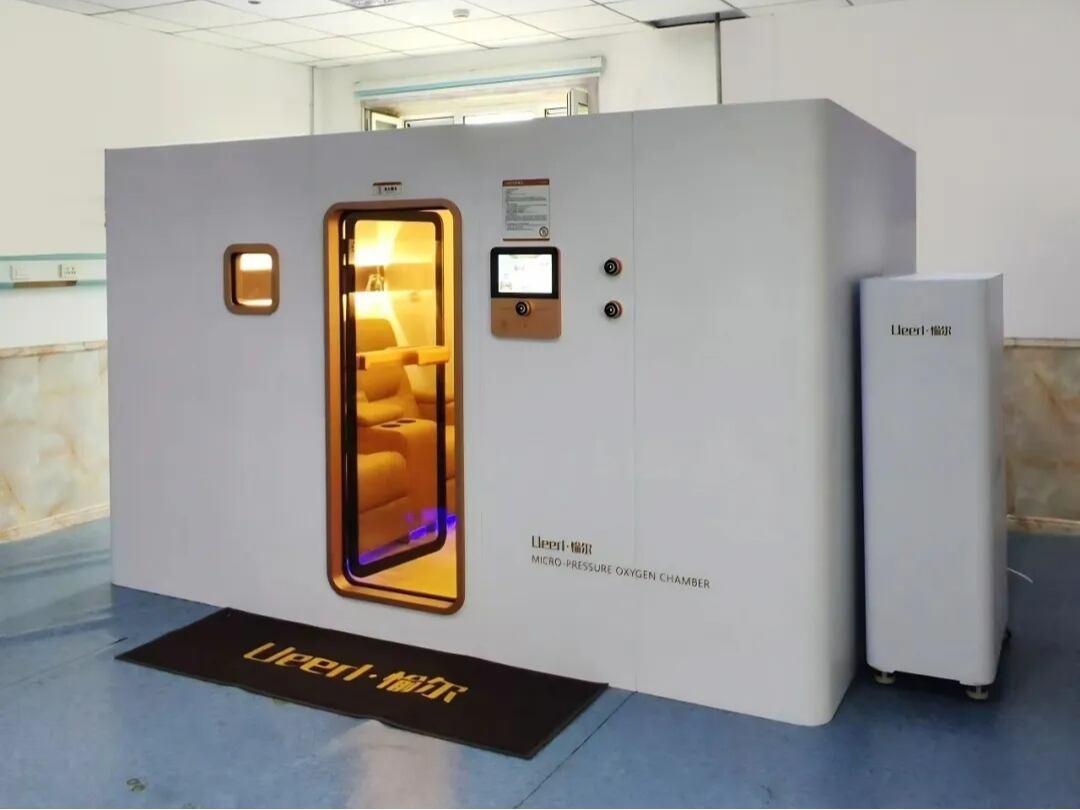
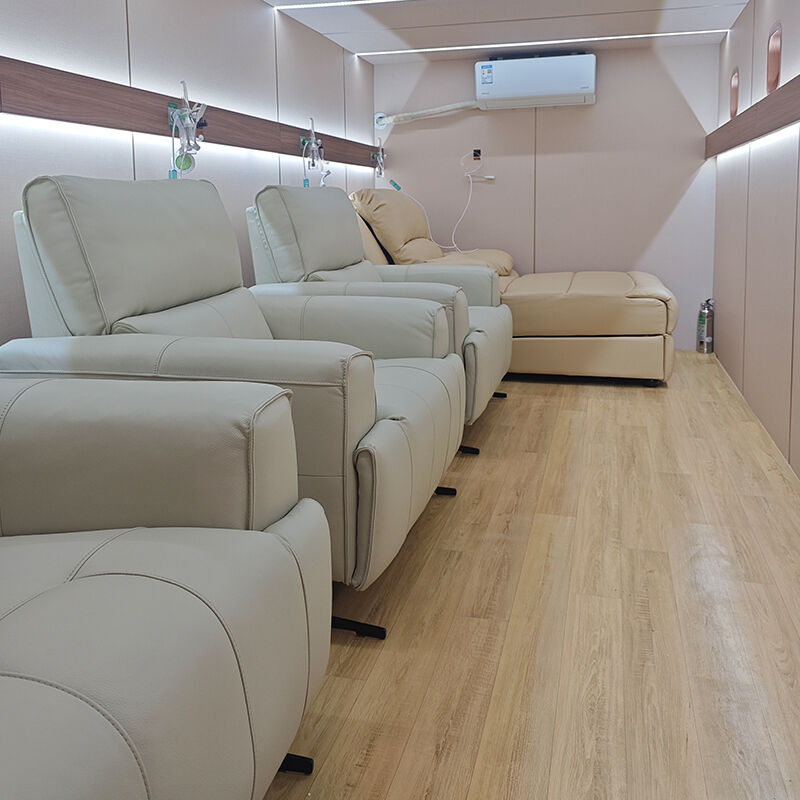
The hydro baric chamber serves diverse medical specialties through its adaptable treatment protocols that address multiple health conditions ranging from acute injuries to chronic disorders. Wound care specialists utilize hydro baric chamber therapy to accelerate healing of diabetic foot ulcers, pressure sores, and surgical site infections, achieving closure rates exceeding 85 percent when combined with standard wound management practices. Orthopedic applications include treatment of bone infections, non-healing fractures, and post-surgical complications, where the enhanced oxygen delivery provided by the hydro baric chamber promotes bone regeneration and reduces infection risks. Sports medicine practitioners incorporate hydro baric chamber treatments into athlete recovery programs, utilizing the technology to reduce inflammation, accelerate tissue repair, and minimize downtime following injuries or intensive training periods. Neurological applications demonstrate promising results for patients with traumatic brain injuries, stroke recovery, and certain neurological conditions, as increased oxygen availability supports neural tissue recovery and cognitive function improvement. The hydro baric chamber proves invaluable for treating radiation-induced tissue damage in cancer patients, helping restore normal tissue function and reducing long-term complications associated with radiation therapy. Cardiovascular benefits include improved circulation, reduced blood pressure, and enhanced cardiac function, making the hydro baric chamber useful for patients with peripheral artery disease and other circulatory disorders. Treatment protocols vary significantly based on specific medical conditions, with acute conditions typically requiring daily sessions over 4-6 weeks, while chronic conditions may benefit from maintenance treatments scheduled weekly or monthly. Research continues expanding hydro baric chamber applications into areas such as autism spectrum disorders, fibromyalgia, and age-related cognitive decline, with preliminary studies showing encouraging results that warrant further investigation and potential integration into standard treatment protocols.



 EN
EN