cost of home hyperbaric chamber
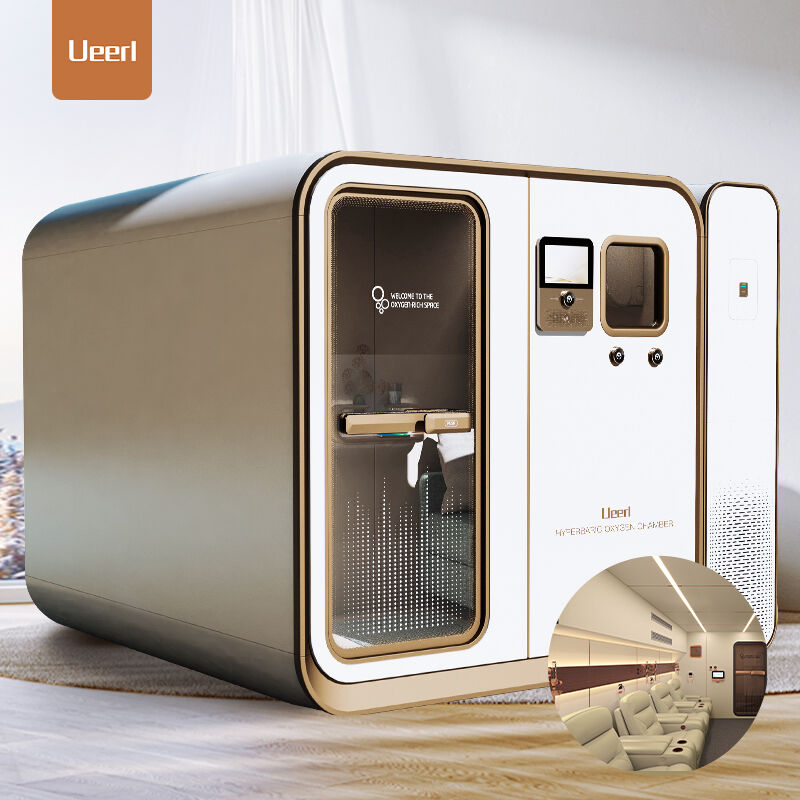
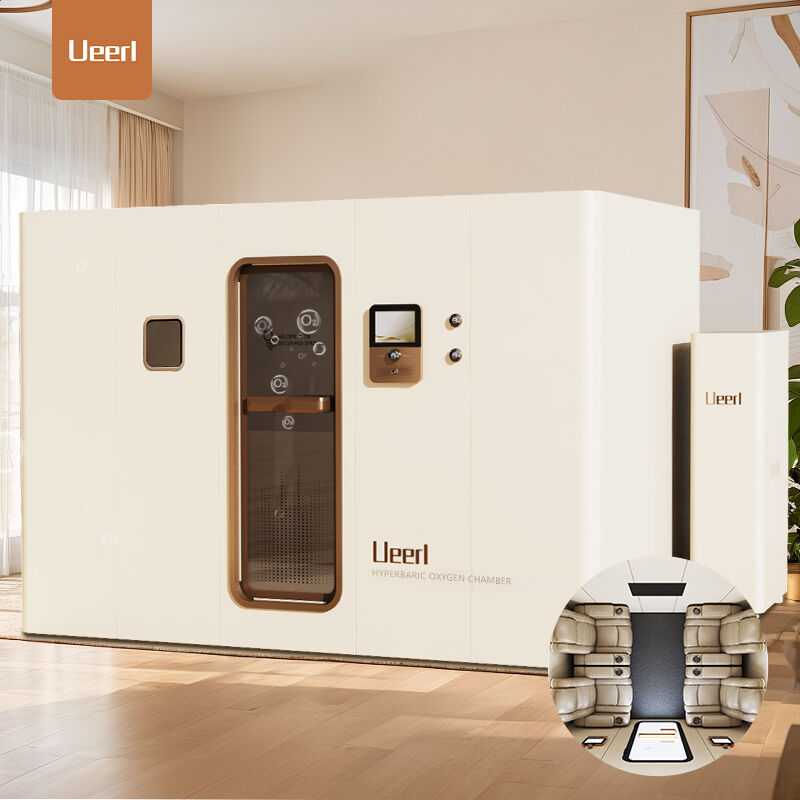
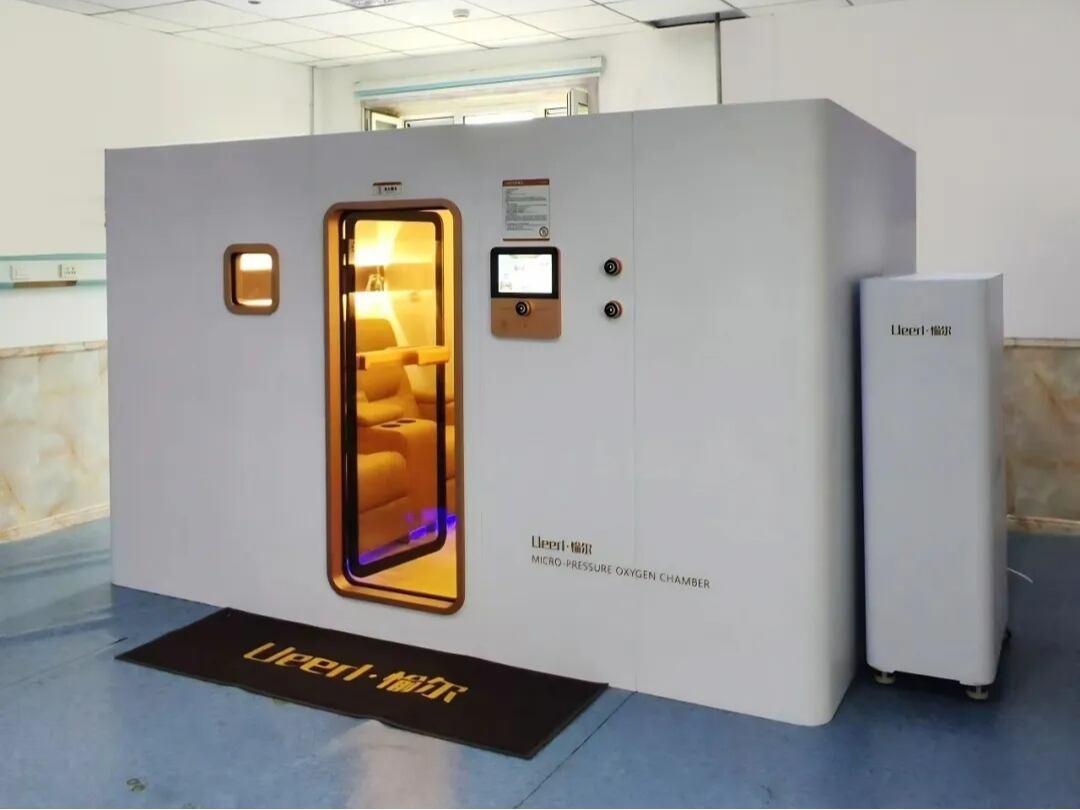
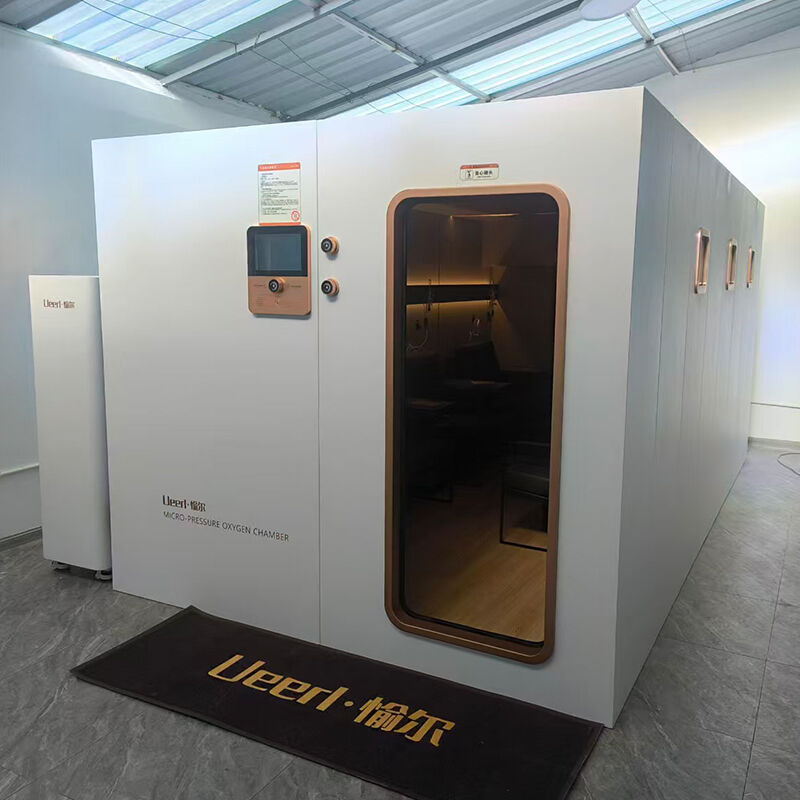
Understanding the cost of home hyperbaric chamber systems requires examining both initial investment and long-term value propositions. These sophisticated medical devices utilize pressurized oxygen therapy to enhance healing and recovery processes within residential settings. The cost of home hyperbaric chamber units typically ranges from $15,000 to $150,000, depending on specifications, features, and manufacturing quality. Modern home hyperbaric chambers operate by creating controlled atmospheric pressure environments, usually between 1.3 to 2.0 ATA (atmospheres absolute), while delivering concentrated oxygen therapy. The technological framework incorporates advanced pressure regulation systems, medical-grade materials, and comprehensive safety monitoring equipment. Primary applications encompass wound healing acceleration, sports recovery enhancement, neurological condition support, and general wellness optimization. These chambers feature dual-lock safety mechanisms, transparent viewing windows, internal communication systems, and emergency pressure release valves. The cost of home hyperbaric chamber ownership includes maintenance considerations, electricity consumption, and periodic inspections. Soft-sided portable models represent more affordable options, while rigid steel chambers provide hospital-grade performance at premium pricing points. Advanced units integrate digital control panels, automated pressure cycling, and smartphone connectivity for remote monitoring. Manufacturing standards ensure compliance with FDA regulations and international safety protocols. The cost of home hyperbaric chamber installations may require professional setup services and electrical modifications. Treatment protocols typically involve 60-90 minute sessions at prescribed pressure levels, with frequency determined by specific therapeutic goals. Research supports hyperbaric oxygen therapy effectiveness for diabetic ulcers, carbon monoxide poisoning recovery, and radiation injury treatment. Investment considerations should evaluate treatment frequency, family usage requirements, and potential healthcare cost savings over time.





 EN
EN