Advanced Safety and Monitoring Systems
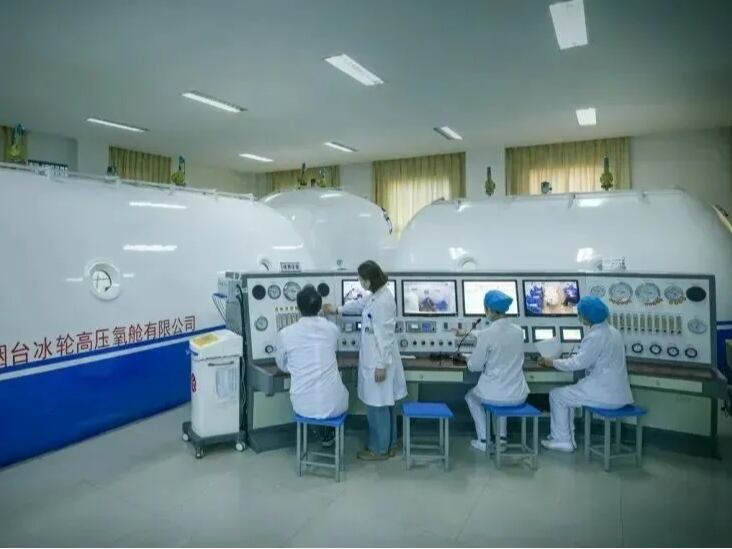
The advanced safety and monitoring systems integrated into modern mobile hyperbaric chamber technology represent the pinnacle of medical device engineering, ensuring patient protection and treatment efficacy through sophisticated automated controls and real-time surveillance capabilities. These comprehensive safety frameworks incorporate multiple redundant systems that continuously monitor pressure levels, oxygen concentrations, carbon dioxide buildup, temperature fluctuations, and humidity levels within the treatment environment. State-of-the-art sensors provide instantaneous feedback to computerized control systems that automatically adjust parameters to maintain optimal treatment conditions while preventing dangerous pressure variations or oxygen toxicity risks. The monitoring infrastructure includes high-definition cameras positioned strategically throughout the chamber interior, enabling continuous visual observation of patients during treatment sessions while recording vital behavioral indicators and potential distress signals. Advanced communication systems featuring two-way intercoms, emergency call buttons, and wireless connectivity ensure constant contact between patients and medical personnel, providing immediate response capabilities for any concerns or complications that may arise. Automated safety protocols activate protective measures when predetermined thresholds are exceeded, including emergency decompression sequences, oxygen flow adjustments, and chamber venting procedures that prioritize patient safety above all other considerations. The integration of telemedicine capabilities allows specialist physicians to monitor treatments remotely, accessing real-time data streams that include chamber conditions, patient vital signs, and video feeds from treatment sessions. Electronic health record integration enables seamless documentation of treatment parameters, patient responses, and outcome measurements that support clinical decision-making and regulatory compliance requirements. Fire suppression systems utilize specialized agents compatible with high-oxygen environments, while electrical safety measures include ground fault protection, surge suppression, and emergency power systems that maintain critical functions during power outages. Quality assurance protocols incorporate regular calibration schedules, preventive maintenance procedures, and performance verification testing that ensures consistent operation standards across different deployment locations. The monitoring systems generate comprehensive reports detailing treatment parameters, safety incidents, equipment performance metrics, and maintenance requirements that support continuous improvement initiatives and regulatory oversight activities. Patient safety training programs ensure proper operation procedures, emergency response protocols, and equipment maintenance standards that maintain the highest levels of care quality regardless of treatment location or operating personnel.


 EN
EN